

Quick answer
The Viking Museum delivers a focused, family-friendly introduction to Viking Age daily life and exploration through interactive displays and a theatrical dark ride, making the 199 SEK entrance fee reasonable for visitors seeking an engaging two-hour experience rather than academic depth. The exhibition emphasizes hands-on learning and storytelling over artifact density, differentiating it from archaeology-focused institutions. Weekday late mornings between 11:00 and 15:00 offer the most comfortable touring conditions with minimal queue times for the ride component.
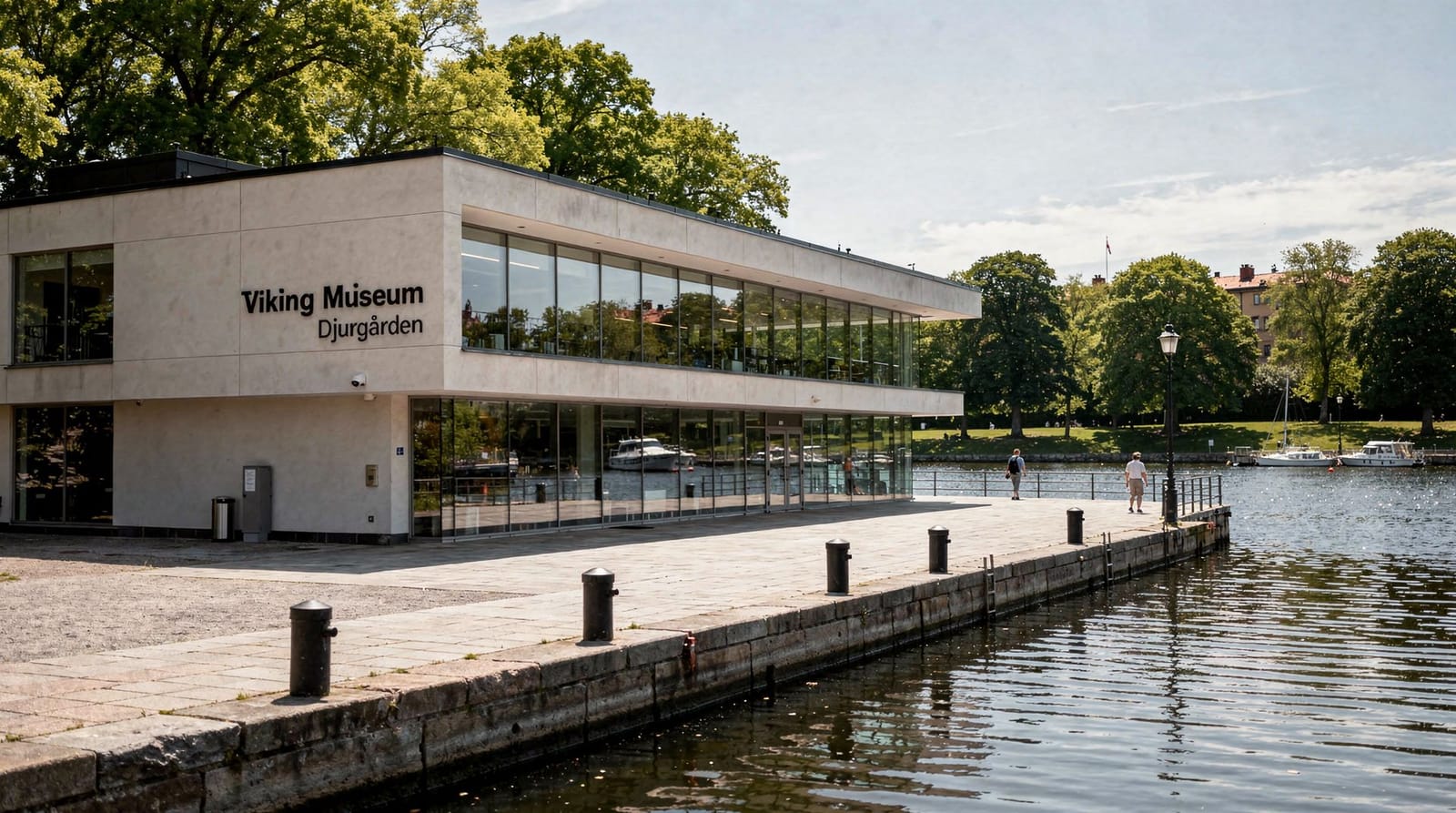
The Viking Museum occupies a compact footprint on Djurgårdsstrand, yet its design maximizes narrative flow across ten thematic zones that reconstruct Viking Age society from domestic crafts to maritime expansion. Unlike Stockholm's larger state museums, this privately operated venue prioritizes experiential engagement over archival breadth—tactile replicas outnumber preserved artifacts, and scenic environments replace traditional vitrines in many gallery sections. The Ragnfrid's Saga ride anchors the visitor flow as a story-driven journey through a young Viking woman's life, employing motion seating, projection mapping and atmospheric effects across multiple chambers. Capacity constraints mean the ride operates on a continuous-load system during peak attendance windows, and afternoon wait times occasionally stretch beyond twenty minutes on summer weekends. Visitors seeking a comprehensive Stockholm Viking museum experience often pair this venue with the Swedish History Museum's Viking collection or the Vasa Museum's preservation halls, as each institution serves distinct interpretive roles within the city's Norse heritage ecosystem. Exhibition strength lies in reconstructed environments—a longhouse interior with cooking hearth, a merchant's weighing station, a shipwright's workshop with actual tool demonstrations on select afternoons. Interpretive panels balance historical scholarship with accessible language, though advanced enthusiasts may find the content introductory compared to specialized archaeological literature. The museum's compact scale becomes an advantage for families with younger children, as the entire circuit remains manageable within ninety minutes before fatigue sets in, and the ride provides a natural midpoint break. Ticket value assessment depends heavily on visitor priorities. At 199 SEK, the admission sits below Skansen's 220 SEK and well under the Vasa Museum's donation-requested model, positioning it as a moderate investment for Stockholm's attraction portfolio. The inclusion of the ride experience within the base ticket differentiates it from exhibition-only venues, though some adult visitors report the ride's theatrical approach skews younger in tone than the gallery content suggests. Off-season months from November through March see reduced crowding and occasionally discounted group rates, though the museum maintains consistent operating hours year-round except major holidays. Practical considerations favor advance planning around the 11:00 opening on weekdays, when tour groups have not yet saturated the ride queue and gallery circulation remains fluid. The museum shop and café extend the visit for those seeking deeper product selection or waterfront seating, though neither element alone justifies the entrance investment. For visitors weighing this viking museum stockholm review against competing Djurgården attractions, the decision hinges on interest in interactive storytelling versus artifact scholarship—this venue prioritizes the former without apology.
“The museum's compact scale becomes an advantage for families, as the entire circuit remains manageable within ninety minutes before fatigue sets in.”
The Best Time to Visit: A Viking Museum Stockholm Review
To secure a manageable experience at The Viking Museum, the best arrival window is 11:00–15:00. This timing allows visitors to navigate the exhibition and the Viking ride while avoiding the heaviest midday congestion.
Weekday mornings
Low to moderate—
Visiting on weekdays provides the most space to move through the exhibition halls at your own pace.
Mid-summer (June–August)
HighWarm with temperatures 15–22°C
Expect higher foot traffic during these months as Stockholm experiences peak tourism levels.
Shoulder season (April, May, September, October)
ModerateCooler with temperatures 8–15°C
These months offer a balanced experience with fewer international tour groups and comfortable interior conditions.
Verdict: The optimal experience occurs on Tuesday to Thursday, arriving at 11:00 during the months of April or October.
Planning Your Visit: Viking Museum Stockholm Review Itinerary
This itinerary suits first-time visitors looking to experience both the exhibition and ride in a single visit, taking approximately 2–3 hours from arrival to departure.
Arrive and Enter
Arrive during the recommended 11:00–15:00 window to avoid peak crowds. Entry includes both the exhibition and Ragnfrid's Saga ride with your 199 SEK ticket.
Begin the Interactive Exhibition
Start with the main exhibition halls, where multimedia displays and artifacts trace Viking Age trade, warfare, and daily life. Allow 60–90 minutes to explore at a comfortable pace.
Explore the Craftsman Quarter
Move through the reconstructed workshop areas showing blacksmithing, weaving, and shipbuilding techniques. Hands-on elements make this section particularly engaging for families.
Queue for Ragnfrid's Saga
Join the line for the 11-minute dark ride experience—queue times vary but typically add 10–20 minutes. The ride narrates a Viking voyage through animatronics and practical effects.
Visit the Museum Shop
Browse reproductions, jewelry, and books in the gift shop near the exit. Staff can answer questions about specific artifacts or historical details you encountered.
Depart or Explore Djurgården
Exit leaves you on Djurgårdsstrand with direct access to nearby museums and waterfront paths. The Vasa Museum is a 10-minute walk if you're continuing your day on the island.
Key Experiences in Our Viking Museum Stockholm Review
The Viking Museum offers a focused look at Norse history through interactive displays and immersive storytelling. Visitors can explore archaeological findings and cultural narratives that span the Viking Age.

Ragnfrid's Saga
This immersive dark ride uses soundscapes and physical sets to depict a Viking-age journey.
Sit near the front for an unobstructed view of the mechanical sets.
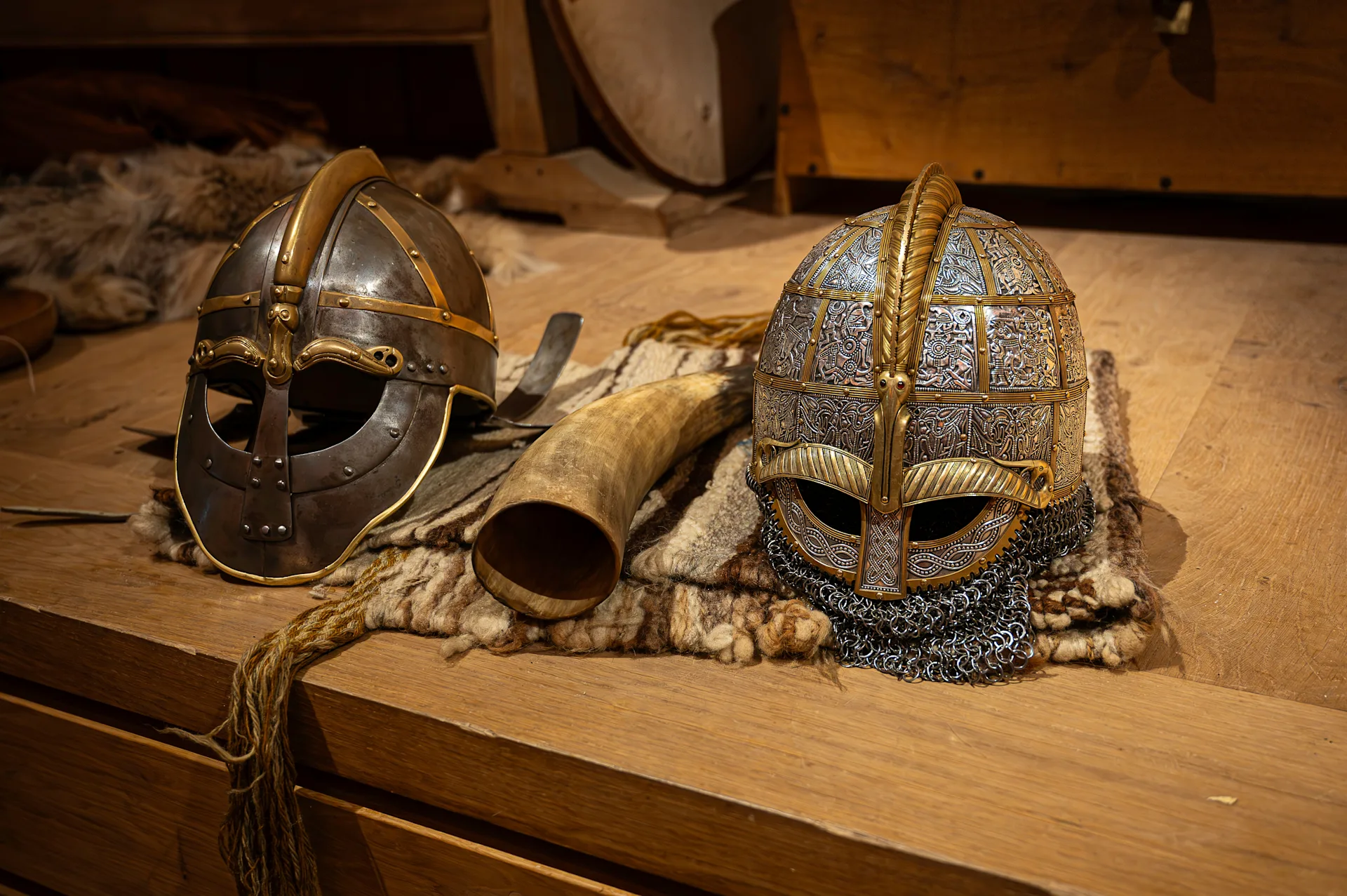
Exhibition Hall
This area features authentic artifacts, replica weaponry, and detailed information panels about daily life and trade.
Read the text panels first to provide context for the physical items.

Archaeological Collection
The collection displays findings from excavations, offering insight into Viking trade routes and craftsmanship.
Look closely at the jewelry cases to see detailed metalwork patterns.
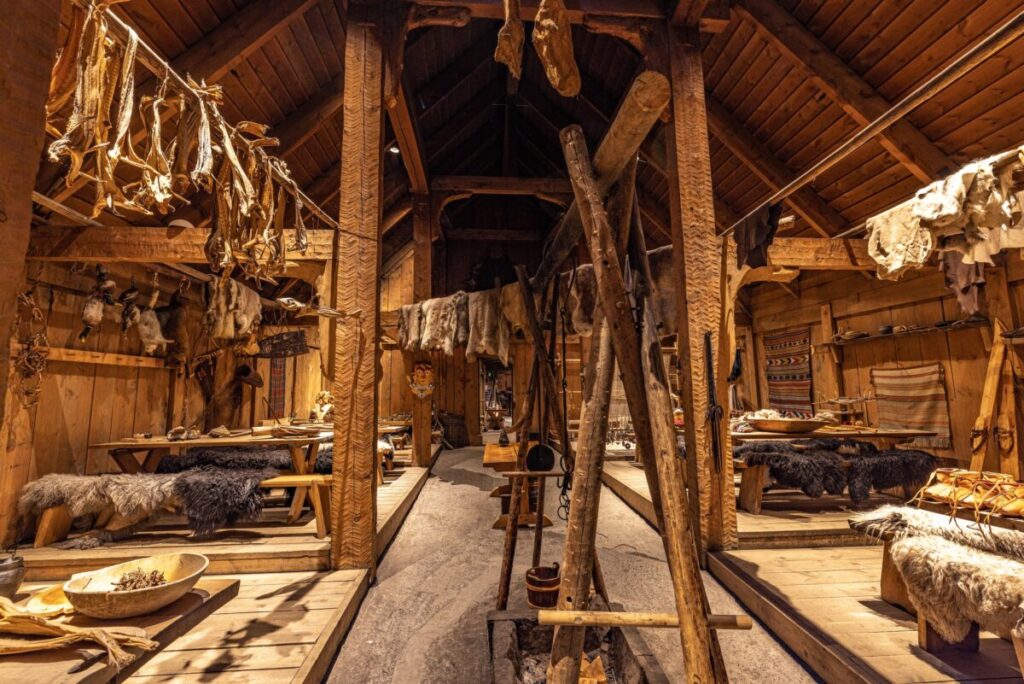
Reconstructed Longhouse
A life-sized interior setup demonstrates the domestic living conditions and architectural styles of the period.
Check the corners of the room for smaller household tools often missed.
Opening Hours for Your Viking Museum Stockholm Review
The Viking Museum maintains consistent operational hours throughout the week to accommodate visitors. The facility is open seven days a week.
| Monday | 11:00–17:00 | |
|---|---|---|
| Tuesday | 11:00–17:00 | |
| Wednesday | 11:00–17:00 | |
| Thursday | 11:00–17:00 | |
| Friday | 11:00–17:00 | |
| Saturday | 10:00–17:00 | |
| Sunday | 10:00–17:00 |
Getting to the Site: A Viking Museum Stockholm Review
The Viking Museum is located at Djurgårdsstrand 15, 115 21 Stockholm, Sweden. It sits prominently on the island of Djurgården, which is accessible via public transport, ferry, or a scenic walk from the city center.
Line 7 from T-Centralen to Nordiska museet/Vasamuseet
SL Ferry from Slussen to Allmänna gränd
Line 67 to Nordiska museet
Walking route from Strandvägen via Djurgårdsbron
Check availability
Frequently Asked Questions About Viking Museum Stockholm Review
Everything you need to know about viking museum stockholm review